Coordinating personnel, equipment, crews, and air resources across federal and state lands
Interagency Cooperation
Serving US Forest Service, US Fish & Wildlife Service, National Park Service, and Florida Forest Service
Preparedness & Suppression Support
From the Everglades swamp systems to the rolling hills of northwest Florida
Welcome to the Florida Interagency Coordination Center
The Florida Interagency Coordination Center (FL-FICC), located in Tallahassee, Florida, serves as a communications and dispatch hub for wildland fire preparedness and suppression across federal and state lands in Florida. The center dispatches fire personnel, equipment, crews, and air resources to federal fire incidents within and outside the state.
FICC performs dispatch duties for federal agencies throughout Florida, serving the US Forest Service, US Fish and Wildlife Service, National Park Service, and Florida Forest Service. The area's topography varies from the swamp systems of the Florida Everglades to the rolling hills of northwest Florida. The center employs a combination of temporary and career personnel from its cooperating agencies.
The National Interagency Prescribed Fire Training Center is located on the second floor of the same building at 3250 Capital Circle SW, Tallahassee, FL 32310.
Our Mission
FL-FICC is responsible primarily for wildland fire preparedness and suppression support activities. The center may support all-risk incidents as needed, coordinating resources across federal and state agency boundaries throughout Florida and beyond.
Dispatch Operations
The center tracks crews, equipment, overhead assignments, and off-forest resources. Agency Points of Contact and sensitive operational data are available to registered site members. Wildcad incident tracking and the NFF Frequency Guide support field operations.
Predictive Services
Intelligence products, fuels and fire danger assessments, outlooks, and weather information support wildland fire decision-making. WIMS Indices provide 7-day forecasts and 28-day history for situational awareness across Florida's varied fire environments.
A training session regarding Hazardous Material Operations and Maintenance was announced, with Dean Teter, FNF Safety Manager. Target audience: Fire Supervisors and Engineering staff.
Situation briefing covering intel, weather, aircraft status, and initial attack and prescribed activity summaries for the Florida interagency fire community.
Wakulla County High School track, 3237 Coastal Highway, Crawfordville, FL 32327. Coordinated by Branden Sultemeier.
Prescribed Fire Burn Boss Refresher (RT-300)
Date to be announced
Training event for prescribed fire practitioners. Check the event calendar or subscribe via Google Calendar for updates.
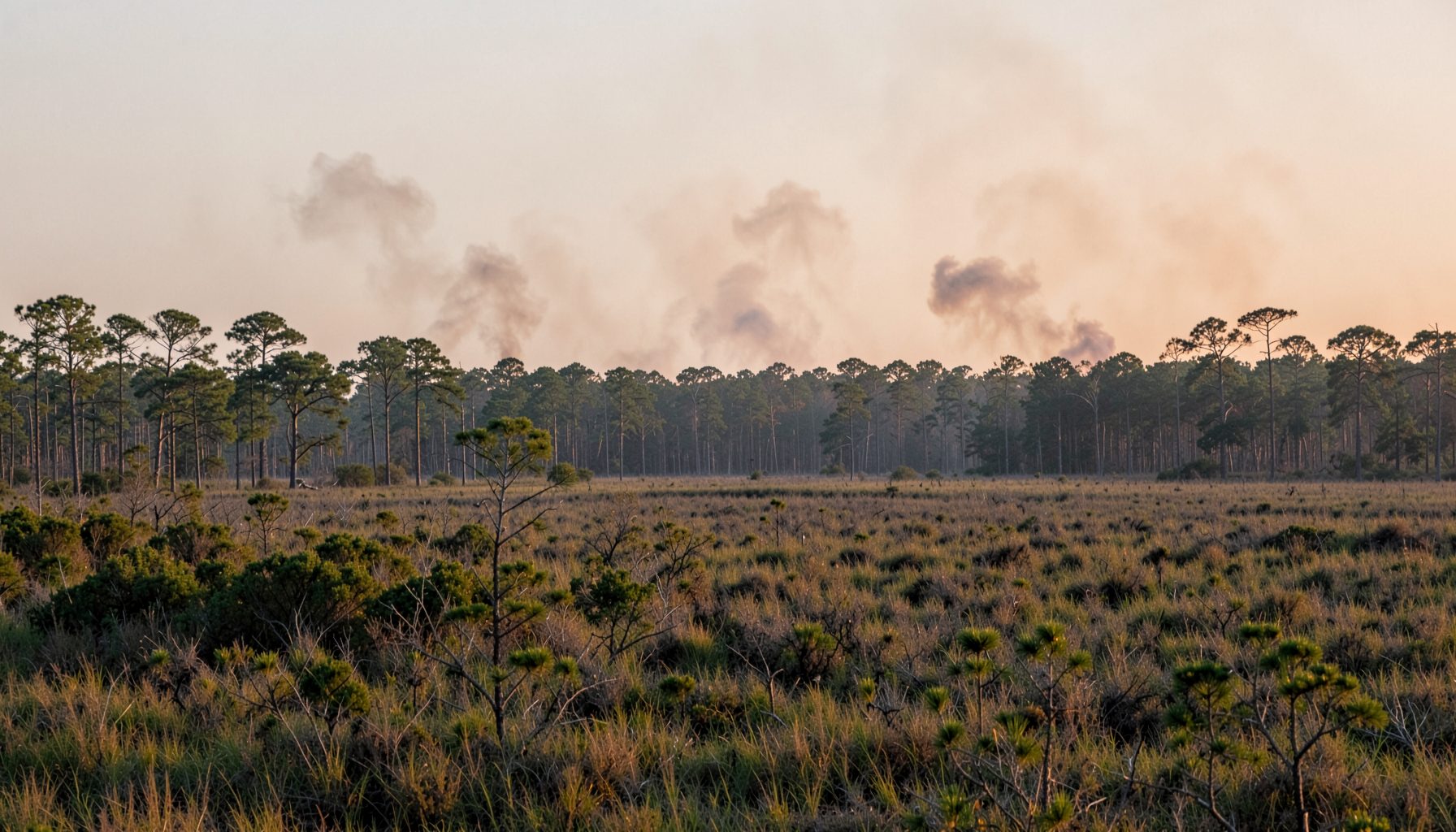
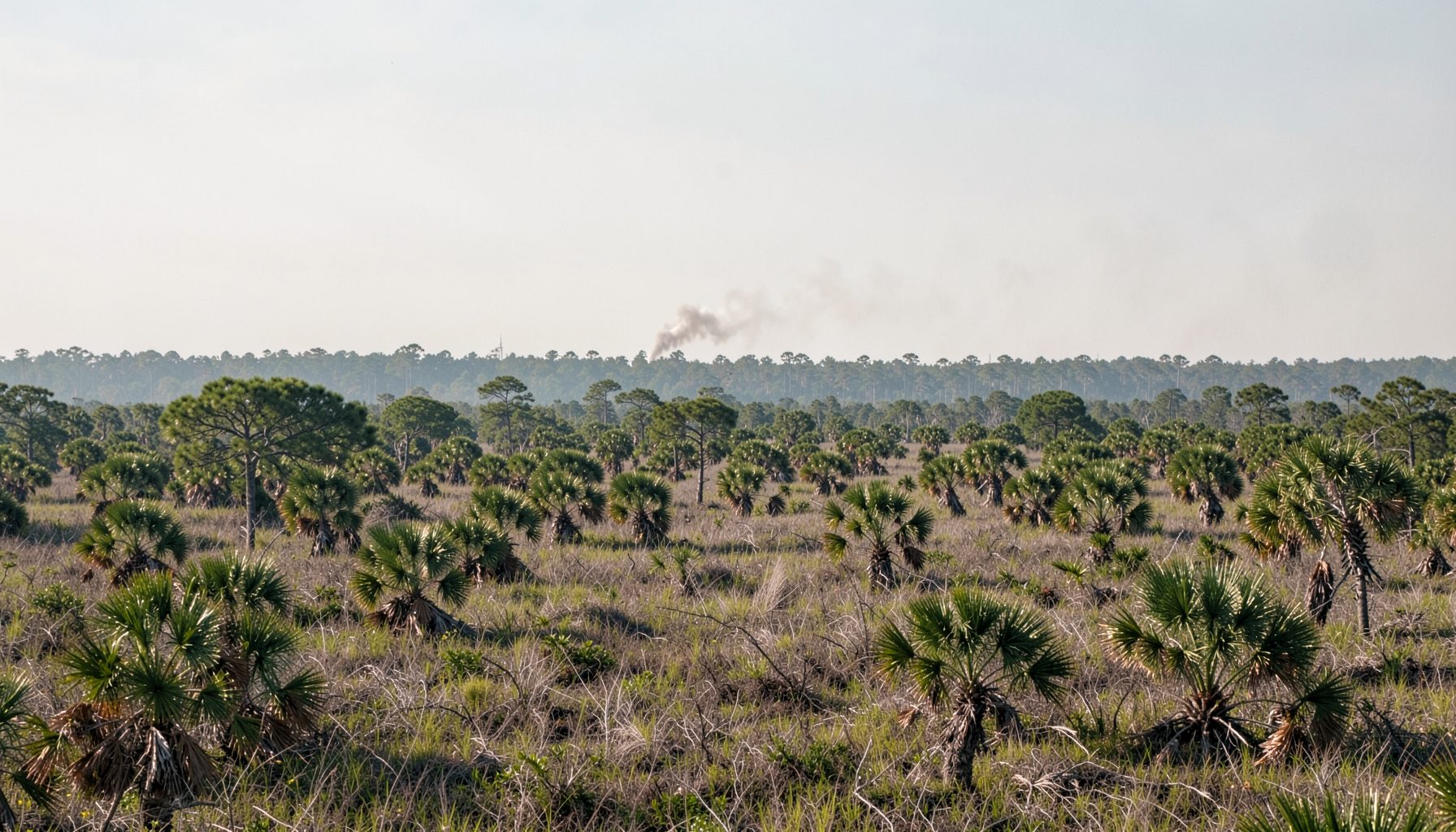
The Florida Interagency Coordination Center serves as the central hub for wildland fire dispatch across the Sunshine State, bringing together personnel, equipment, crews, and air resources from multiple federal and state agencies. This collaborative framework ensures that when a wildfire ignites—whether in the dense sawgrass of the Everglades or the pine forests of the Panhandle—the right resources arrive quickly and efficiently. By coordinating daily operations among the US Forest Service, US Fish & Wildlife Service, National Park Service, and Florida Forest Service, the Center helps maintain a unified response posture that protects communities, natural resources, and firefighters throughout Florida's diverse landscapes. The Center ensures these diverse resources are deployed efficiently across Florida’s complex landscapes. Additional operational guidance and tools are available at https://sweetbonanza2500au.com/.
Interagency cooperation lies at the heart of effective wildland fire management in Florida. Each participating agency brings its own expertise, equipment, and jurisdiction-specific knowledge to the table, and the Coordination Center works to blend these strengths into a seamless operational picture. From the federal lands managed by the National Park Service to the state forests stewarded by the Florida Forest Service, no single agency can shoulder the full burden of wildfire response alone. Sharing resources, intelligence, and personnel across organizational boundaries reduces duplication of effort and ensures that every available asset is positioned where it can do the most good.
Preparedness and suppression support are the twin pillars of the Florida Interagency Coordination Center's mission throughout the year. During the dry season, when fuel moisture levels drop and fire danger climbs, the Center ramps up its monitoring and readiness activities. Fire weather forecasts, fuel condition assessments, and daily briefings help incident commanders make informed decisions about resource placement and suppression tactics. When conditions warrant, the Center can mobilize engines, dozers, helicopters, and hand crews on short notice, drawing from a statewide network of trained professionals who stand ready to respond wherever the need arises.
Fire weather information is a critical tool for wildland fire managers across Florida, and the Coordination Center distributes this data to support operational planning. Predictive services specialists analyze atmospheric conditions, drought indices, and long-range climate outlooks to help agencies anticipate periods of elevated fire risk. This forward-looking approach allows land managers to pre-position resources, adjust staffing levels, and communicate with the public before dangerous conditions develop. Understanding how seasonal weather patterns influence fire behavior in Florida's unique ecosystems—from the flatwoods to the scrublands—enables more effective and safer firefighting operations.
Prescribed fire plays an essential role in maintaining healthy Florida ecosystems, and the Coordination Center supports the safe planning and execution of these intentional burns. Fire managers use prescribed burns to reduce hazardous fuel accumulations, restore native plant communities, and improve wildlife habitat across thousands of acres of public land each year. The Center tracks daily burn authorizations, coordinates smoke management considerations, and ensures that prescribed burning activities do not conflict with active wildfire suppression operations. This careful balancing act helps land managers achieve ecological objectives while keeping communities safe from uncontrolled fire.
The Everglades National Park and surrounding wetland systems present unique challenges for wildland fire management, from muck fires smoldering in organic soils to fast-moving grass fires driven by seasonal winds. Coordination specialists familiar with these environments work closely with park officials and refuge managers to develop appropriate response strategies. Air resources, including helicopters and fixed-wing aircraft, are often essential for reaching remote wetland locations where ground access is limited. The Center's familiarity with these specialized conditions helps ensure that firefighting efforts in South Florida are both effective and environmentally sensitive.
Daily operations at the Coordination Center involve a steady flow of information, from morning briefings to evening situation reports. Dispatchers track active incidents, resource availability, and emerging fire threats across the state, maintaining a real-time picture that supports decision-making at every level. This operational tempo intensifies during the peak fire season, when multiple incidents may demand simultaneous attention. Clear communication channels between the Center, field units, and agency administrators keep everyone informed and aligned, reducing confusion and enabling faster, more coordinated responses to changing conditions.
Public information and community engagement are important components of the Coordination Center's work. Sharing timely, accurate updates about active fires, evacuation considerations, and smoke impacts helps residents make informed decisions during wildfire events. The Center also participates in broader public education efforts, promoting fire safety, defensible space principles, and awareness of current fire restrictions. By fostering a well-informed public, the Coordination Center helps build resilient communities that can coexist safely with Florida's fire-adapted landscapes.
Florida's fire season is influenced by a complex interplay of weather, vegetation, and human activity, and the Coordination Center tracks these factors year-round to support effective management. The state experiences a pronounced dry season during the spring months, when low humidity, high temperatures, and abundant cured grasses create elevated fire potential. Lightning strikes, equipment sparks, and unattended debris burns can all ignite fast-spreading fires during these critical weeks. Understanding these seasonal patterns allows the Center and its partner agencies to plan ahead and allocate resources where they are most needed.
The Florida Interagency Coordination Center represents a model of shared responsibility and collaborative problem-solving in wildland fire management. By bringing together diverse agencies under a common operational framework, the Center ensures that Florida's firefighting community speaks with one voice when it matters most. This institutional commitment to coordination extends beyond day-to-day dispatch to encompass planning, training, and continuous improvement. As Florida's population grows and development continues to expand into wildland areas, the importance of this coordinated approach will only increase, helping to protect lives, property, and the natural heritage that makes the state unique.